Field observations
Ceramic bowls shape the way a tabletop feels. Across these images, curved rims frame fruit, spices, tea tools, and small arrangements, while handmade surfaces catch light with subt
Repetition and the Tabletop
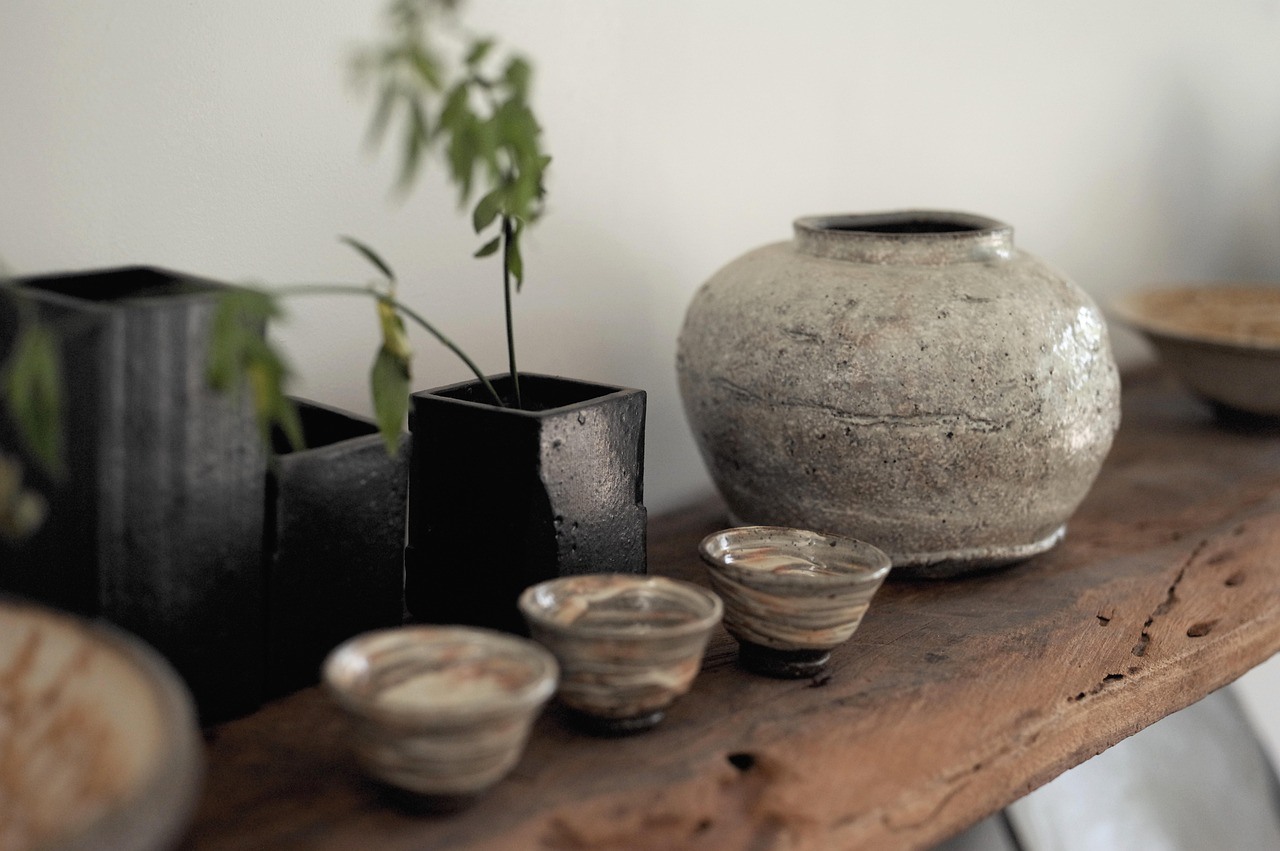
Repeated forms give a tabletop rhythm. Circular openings appear in bowls, cups, jars, and divided dishes, while utensils introduce narrow lines that cross or connect them. In crowded scenes, overlapping rims build depth through partial shapes. In sparse scenes, a single bowl may echo the rounded fruit or objects it holds. Scale keeps repetition from becoming monotonous: small cups sit beside a broad vase, and compact wells interrupt longer serving pieces. Direction also plays a role. Diagonal scoops and spoons activate otherwise stable horizontal arrangements, while vertical stacks lead the eye upward. These visible patterns show how ordinary objects can create structure through placement alone. A table becomes a composition when related silhouettes are allowed to repeat, vary, and leave deliberate spaces between one another.
Continue through the collectionAll field notesBowls as Frames for Color
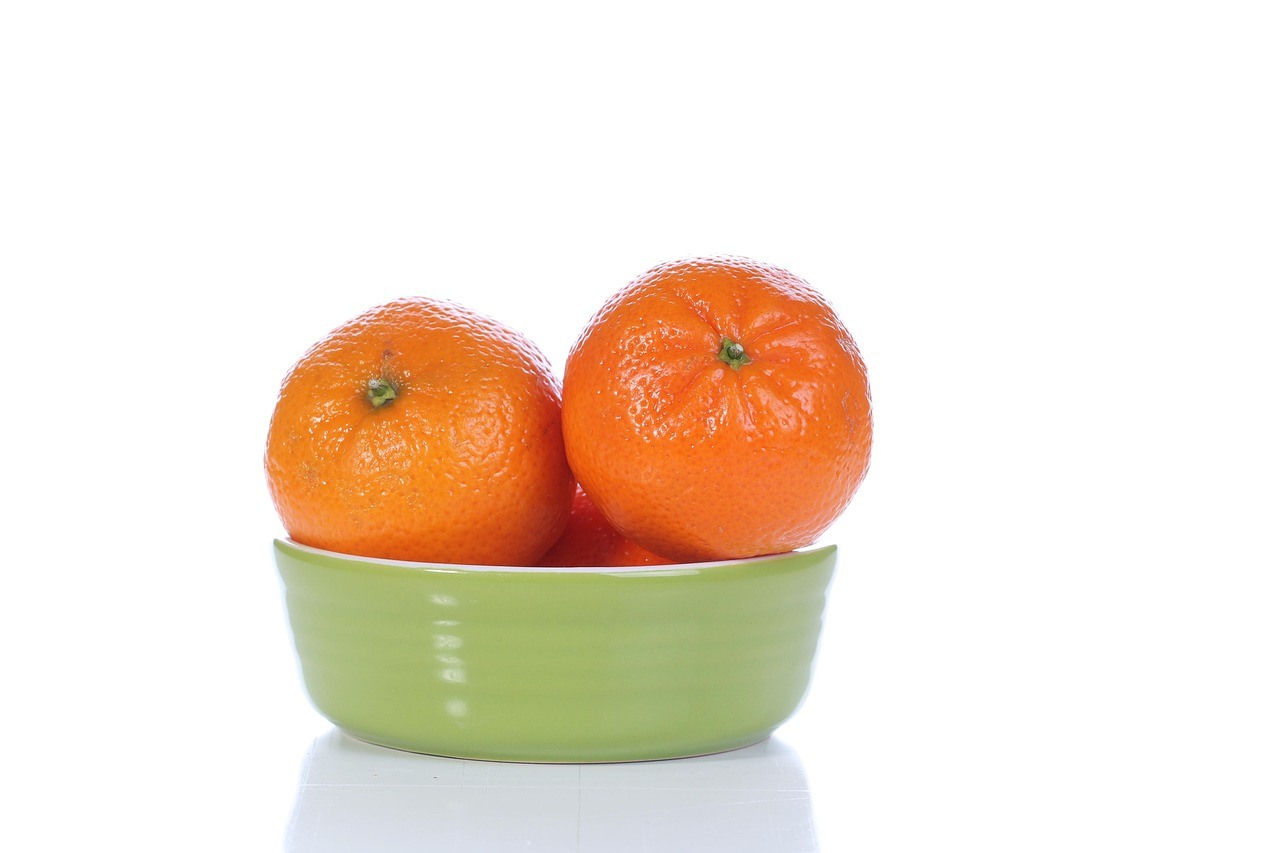
A bowl does not simply contain color; its rim and interior organize it. Red raspberries become more intense against pale pink ceramic, while oranges stand apart from a cool green glaze. Dark vessels allow powdered spice and pale ingredients to act as concentrated visual accents. Even when bowl and contents share warm tones, small differences in saturation keep their boundaries legible. The vessel’s depth controls how much shadow surrounds the contents, and its width determines whether objects feel loosely scattered or tightly gathered. These relationships are especially clear in simple arrangements with few distractions. By comparing the color of a bowl with what sits inside it, the eye can read contrast, harmony, and visual weight before considering any practical purpose.
Continue through the collection